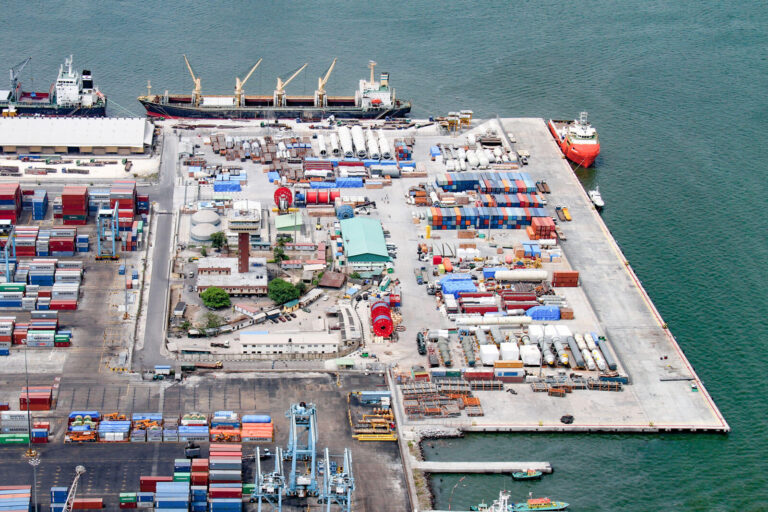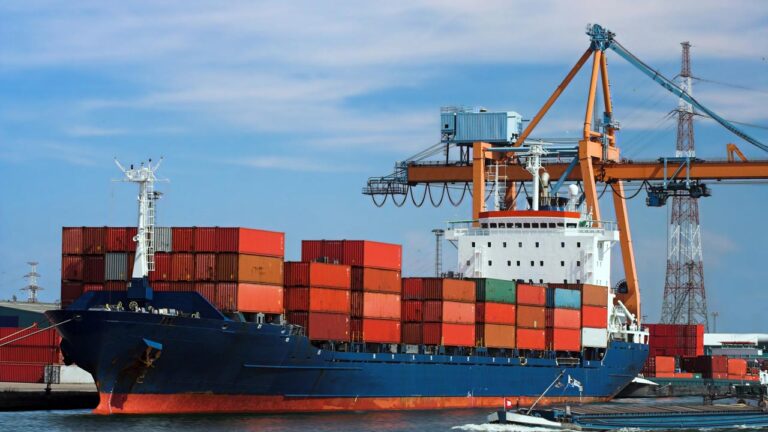
When it comes to operational risk, break bulk cargo handling carries significantly higher exposure than containerized cargo operations. For non-containerized cargo, every stage—from vessel discharge to terminal storage and eventual delivery to the consignee—carries heightened risks of loss or regulatory non-compliance.
For importers of steel products, machinery, timber products, bagged goods, etc., the question of what constitutes the difference between safe and negligent handling is not an abstract one.
List of 10 Key Factors for Safe Break Bulk Cargo Handling in Lagos
Below are ten factors to consider for safe break bulk cargo in Lagos
- Accurate Pre-Arrival Documentation
- Proper Cargo Inspection at Discharge
- Correct Lifting and Rigging Practices
- Appropriate Terminal Storage Conditions
- Regulatory and Customs Compliance
- Experienced and Licensed Handling Personnel
- Adequate Marine Cargo Insurance
- Reliable Haulage and Last-Mile Coordination
- Real-Time Cargo Tracking and Inventory Control
- Partnering With a Competent Full-Service Logistics Provider
1. Accurate Pre-Arrival Documentation
Documentation errors are some of the top causes of cargo delays and fines in Lagos ports, and break bulk cargoes are especially susceptible to this issue, as each shipment entails a detailed cargo manifest that needs to itemize each item as opposed to counting containers.
The Pre-Arrival Assessment Report needs to be produced and submitted to the Nigeria Customs Service prior to the ship’s arrival. The Bill of Lading, commercial invoice, packing list, and Combined Certificate of Value and Origin need to match exactly.
Even if there is a minor discrepancy between the shipping documents and the actual cargo, this will prompt an examination order, which will cause delays and potentially incur demurrage charges, which can quickly add up in Lagos ports.
2. Proper Cargo Inspection at Discharge
The point of vessel discharge is the most critical stage in the break bulk handling process. All goods must be checked against the ship’s manifest and inspected for visible damage prior to being removed from the vessel’s tackle.
If there is any short landing or damage, it must be noted in a sea protest or a mate’s receipt, as these documents will be the basis for any subsequent claim. The Nigerian Ports Authority has set operational standards for stevedoring and vessel cargo discharge in the ports in Lagos.
It is essential for a business to ensure that it is being handled by a company that is fully compliant with these standards and does not seek to cut corners during vessel discharge in a bid to save time.
3. Correct Lifting and Rigging Practices
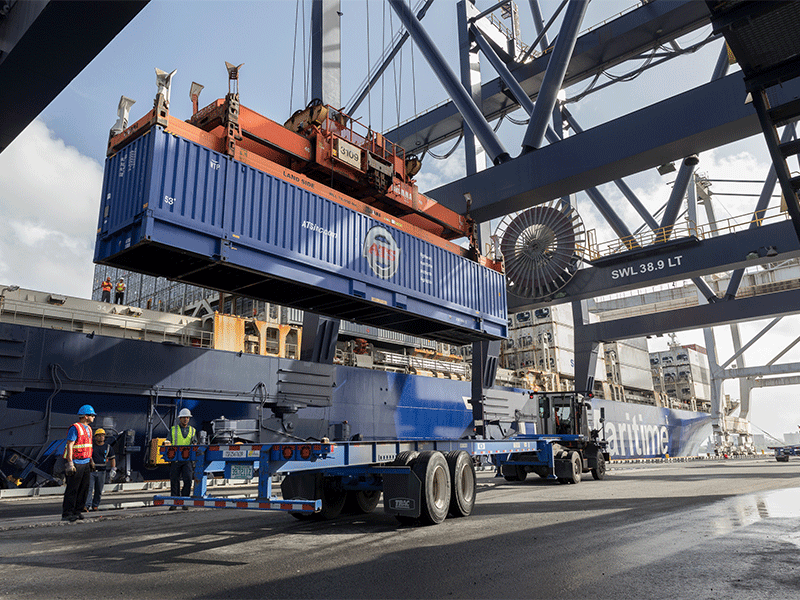
For large and irregularly shaped cargo pieces, it is essential to have appropriate lifting equipment and certified rigging gear. Undersized slings, non-rated shackles, or improperly designed lifting spreaders are one of the most common causes of cargo damage and stevedore injury during break bulk cargo handling.
There are guidelines set by the International Labor Organization for the safe execution of dock work, and these guidelines provide a set of safety standards for lifting operations in a port environment.
A handling company that provides certified lifting equipment and certified riggers is not only being safe; it is being responsible for the safety of its own workers and the cargo.
4. Appropriate Terminal Storage Conditions
After the cargo is discharged from the vessel, it enters a storage phase, and this period can vary from a few hours to a few days depending on the promptness of customs clearance. Steel products will corrode if exposed to the humid environment of Lagos. Machinery and electrical goods need to be kept in a dry environment and therefore require covered storage.
Bagged commodities such as fertilisers and grains are prone to moisture and contamination if kept on bare ground and therefore require adequate palletisation and covering. A basic requirement for selecting a cargo handler is to ensure that they have adequate and well-maintained covered storage and open-yard storage space near or within the Apapa or Tin Can Island port complex.
5. Regulatory and Customs Compliance
Break bulk cargo in Nigeria is treated under the same regulations as containerized cargo, but the compliance requirements are higher since each cargo has to be valued and classified appropriately instead of just indicating a container of mixed goods in transit.
Some of these products need to obtain SONCAP clearance from the Standards Organisation of Nigeria before they are cleared, while others, such as food items, drugs, and agricultural products, need NAFDAC clearance. Some industrial equipment may need inspection at the destination.
Having a handling and logistics company that is familiar with what regulations need to be met for specific cargo types and ensuring that they are compliant before dispatch helps avoid clearance issues that may arise at the port due to lack of compliance.
6. Experienced and Licensed Handling Personnel
Break bulk cargo handling is a skillful process. Stevedores handling heavy lifts, oversized cargo, or sensitive project cargo require not only physical availability but also practical experience and training. The level of workforce provided by a handling company to a client has a direct impact on cargo safety.
It should not be taboo for a business to ask a handling company about the qualification levels of the workforce handling its cargo. A handling company that provides trained and experienced stevedoring and logistics workforce to its clients reflects a sense of responsibility towards ensuring proper standards in cargo handling that can save a business from avoidable cargo damage liabilities.
7. Adequate Marine Cargo Insurance
Even if best practices are followed, break bulk cargoes will inherently carry a higher risk of loss or damage compared to containerized cargoes. Marine cargo insurance is not a luxury that businesses engaged in the transportation of valuable non-containerized goods through the ports of Lagos can afford.
It must be structured in a way that covers the type of cargo, the entire value of the goods as per the CIF, and the risks associated with the trade route and environment.
The International Chamber of Commerce recommends that businesses enter into an Incoterms agreement and carefully evaluate it to ensure that insurance is in place for all segments of transportation and that the insurable interest is in the hands of the person holding the policy.
8. Reliable Haulage and Last-Mile Coordination
Moving cargo out of the port is only half the logistical challenge. The Apapa road network is heavily congested, and for oversized or heavy break bulk cargo, careful route planning, specialized vehicles, and sometimes police escorts for abnormal loads are essential to ensure safe and timely delivery.
Having a logistics partner handle this side of the equation as professionally as they handle the port side of it is important in ensuring that the condition of the cargo is well maintained from the gate of the port to the final destination.
Businesses that use different and uncoordinated logistics providers for port handling and haulage often complain of lack of accountability in cases of damaged or delayed cargo.
9. Real-Time Cargo Tracking and Inventory Control
The risk of pilferage and misplacement of goods during the process of Break Bulk shipping is actually the reason why these kinds of consignments are more vulnerable than those carried in containers.
A system of tracking and managing the inventory of goods can be effectively implemented, which would ensure the documentation of the entire process from the time of discharge to the time of collection.
Professional logistics providers are now able to offer this facility through their operational platforms, and businesses can avoid the risks of cargo loss, which are still inherent in the busy terminals of Nigeria.
10. Partnering With a Competent Full-Service Logistics Provider
Each of these factors is much simpler to administer on a consistent basis when a single, competent logistics company handles the entire break bulk process, as opposed to leaving the business to manage a number of disjointed and unconnected service providers.
A single, full-service logistics company that handles documentation, customs, terminals, storage, and haulage as part of a single operational entity cannot be matched by a disjointed logistics effort.
Wolid International Services Ltd., located in Apapa, Lagos, provides exactly this kind of service for break bulk cargo. From Form M processing and PAAR generation through terminal liaison, customs clearance, haulage, and final delivery, Wolid controls every aspect of the process with the precision necessary for handling break bulk cargo.
For any business looking to import steel products, machinery, equipment, or bagged products through any of the Lagos ports, Wolid is a logistics company ready to provide you with the service you need. For more information, visit their website at wolidinternationalltd.net or call +2347044064866.